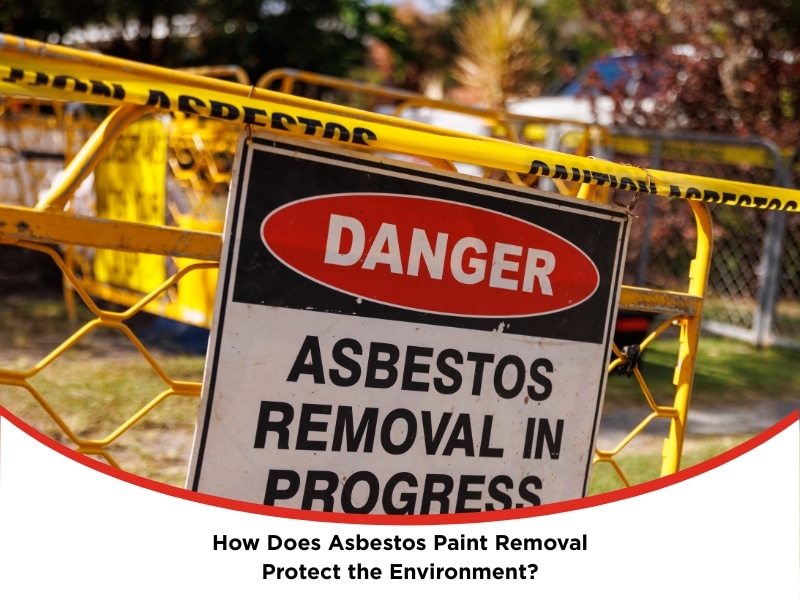
Old paint might seem harmless—but if it contains asbestos, it’s anything but. Left untouched, it can slowly break down and release fibres into the environment. Over time, these tiny particles get into the air, soil, and even water. Once they’re loose, it’s tough to clean them up. That’s why asbestos paint removal is such a vital process. It’s not only about protecting people—it’s about stopping long-term damage to nature. From homes built decades ago to older industrial sheds, asbestos paint can still be hiding on walls, ceilings, and fences across NSW. Getting rid of it properly means following safety rules, using licensed carriers, and disposing of everything by the book. This blog breaks it down for you—why it matters, what laws apply, and how professionals keep contamination under control.
What environmental hazards come from leaving asbestos paint untreated?
Paint peels. That’s a fact of life—especially when it’s been baking under the Aussie sun for decades. But when it’s asbestos paint, those flakes can be dangerous. Here’s what tends to go wrong if it’s left sitting:
- Dust particles full of fibres blow into gardens or streets
- Runoff carries them into local waterways after it rains
- Airborne asbestos fibres cling to soil or settle near homes
- Wildlife and pets can stir up contaminated zones without knowing it
The longer you leave it, the worse it gets. Even normal weathering can cause serious contamination risks. And if someone unknowingly pressure-washes or sands that paint? Game over.
What regulations apply to asbestos paint removal in NSW?
New South Wales doesn’t muck around when it comes to asbestos. If you plan to remove painted surfaces that may contain it, you’re legally required to follow safety protocols. The SafeWork Code of Practice asbestos guide outlines how to do the job without putting people or the environment at risk. Additionally, the EPA maintains strict control over how asbestos is labelled, packaged, and disposed of.
| Rule or Body | What They Require |
| SafeWork NSW | Certified staff and proper equipment |
| EPA NSW | Licensed waste facilities and documentation |
| Waste Transport Guidelines | Use of licensed carriers with tracking systems |
| Local Councils | May have extra rules for renovations or demolitions |
If you’re caught ignoring these, the fines are no joke. And it’s not just about the law—it’s about keeping your property and your neighbours safe. Even your gear matters. Proper PPE for asbestos removal—including the right respirator and disposable suits—must be worn and then thrown out correctly.
Which protective methods reduce contamination during paint removal?
You can’t wing it with asbestos. It’s not enough to throw on a mask and start scraping. Professionals use strict controls to stop the spread of fibres. Here’s how the job is done safely:
- Seal off work areas with plastic sheeting and warning signs
- Use wet methods to keep fibres from floating around
- Only use HEPA vacuums, not regular ones—they’ll just blast fibres back out
- Change out of PPE before leaving the zone
- Collect and double-bag all debris immediately
Professionals also make sure nothing escapes into nearby areas. Vents get sealed. Drop sheets are secured. Even the air is monitored in some cases. That’s why it’s essential to go with efficient asbestos paint disposal for safe renovations. Every part of the process is about limiting exposure—not only for people but for the planet.
What is the correct waste disposal process after asbestos paint removal?
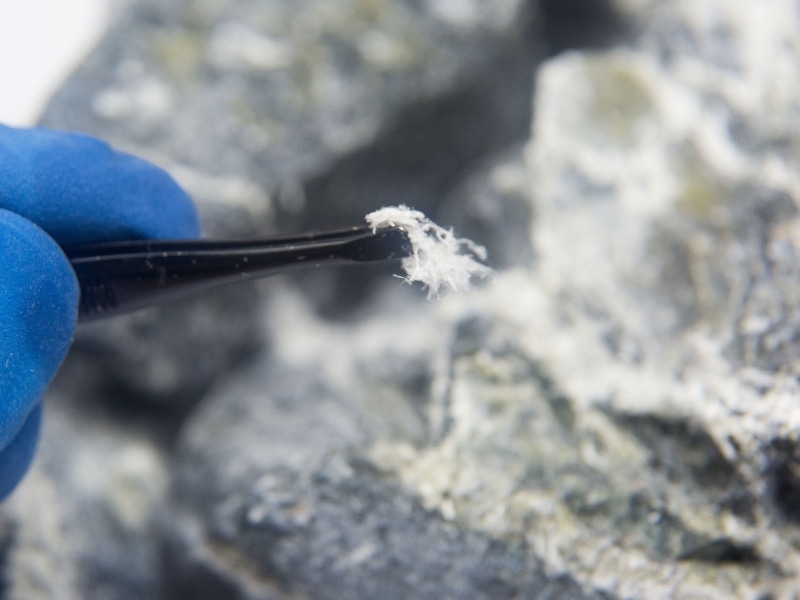
Once that paint comes off, it becomes classified as hazardous waste. You can’t chuck it in a skip or take it to the tip in the boot of your car. Here’s what actually happens:
- Materials are carefully sealed in heavy-duty plastic, often double-bagged
- Every bag is clearly marked with warning labels
- A licensed truck collects and logs the waste with an EPA tracking system
- It’s delivered to a registered site, where it’s buried in controlled conditions
None of this is optional. If you try to cut corners, you’re breaking the law. Want to know what to expect before work begins? You’ll want to know what asbestos removal and safety measures are used by licensed crews. Clean-ups are expensive. Doing it right the first time? Much cheaper—and safer.
What risks does asbestos waste pose to soil and groundwater?
Burying asbestos in the backyard might seem like a shortcut, but it’s a disaster waiting to happen. Asbestos fibres don’t dissolve or go away—they sit there for decades. Here’s what can happen when disposal goes wrong:
- Fibres migrate through the soil, especially after heavy rain
- Contaminated runoff can enter water tanks or boreholes
- Gardens can become unsafe for kids or pets
- Legal trouble from unregistered dumping
If fibres reach groundwater, it’s almost impossible to reverse. The soil can’t be used safely, and future construction will hit roadblocks. To stop it from getting to that point, it’s worth learning how to identify and test for asbestos in different rooms—especially in older homes. Illegal dumping causes long-term environmental damage, even from tiny amounts.
Why must licensed carriers transport waste from asbestos paint removal?
You can’t throw a few bags in the ute and hope for the best. Moving asbestos around NSW without a proper licence is illegal—and unsafe. Here’s why licensed carriers are the only way to go:
- They’re trained in safe transport procedures
- Vehicles are sealed and registered with the EPA
- Every load is logged and traceable through waste codes
- They know what to do if something goes wrong en route
A licensed asbestos removalist doesn’t just remove the material—they see it through to final disposal. Fibres don’t need much help to spread. A ripped bag, a loose seal, or an accident on the road could lead to massive contamination. And all of this links back to the health risks of asbestos exposure, which are still causing problems years after bans came into place. You wouldn’t transport toxic waste without a plan—treat asbestos the same way.
Final thoughts
Asbestos might be out of sight, but it shouldn’t be out of mind. When asbestos paint starts breaking down, it doesn’t just affect your walls—it affects your whole property, your neighbourhood, and the local environment. Removing it properly is the only way to keep things safe for the long haul. That means sticking to legal disposal, using licensed carriers, and preventing fibres from entering soil, drains, or the air. If you’re unsure where to begin, safety guidance from Watson Demolition & Site Services is a good place to start. Better to sort it out the right way now—before it causes damage you can’t undo.