
A well‑managed excavation process is crucial because it lays the groundwork — literally — for everything that follows in a construction project. When handled incorrectly, digging can introduce structural issues, safety risks and major delays. Every decision made during excavation affects soil stability, drainage, and load-bearing capacity. This article explores why taking excavation seriously protects both your budget and your building’s future.
How do construction errors occur when the excavation process is poorly planned?
Construction errors often arise when the excavation process is rushed, miscalculated, or based on outdated site data. Planning failures at this stage can compromise the entire structural integrity of the project. Here are the key planning errors you should avoid:
- Ignoring updated site surveys may cause trench alignment errors, putting pressure on the wrong parts of a foundation.
- Underestimating the required trench width for safety can lead to rushed work in cramped conditions, raising accident risk.
- Digging too deep or shallow affects slab and footing stability, which might later show as cracked walls or subsidence.
- Skipping communication between teams causes duplicated effort or delays if excavation doesn’t align with layout plans.
These problems often stem from overlooking the important things to know about an excavation site before the job begins — site analysis, permit limits, and clear communication can prevent major trouble later.
What issues arise when soil conditions aren’t assessed before digging begins?
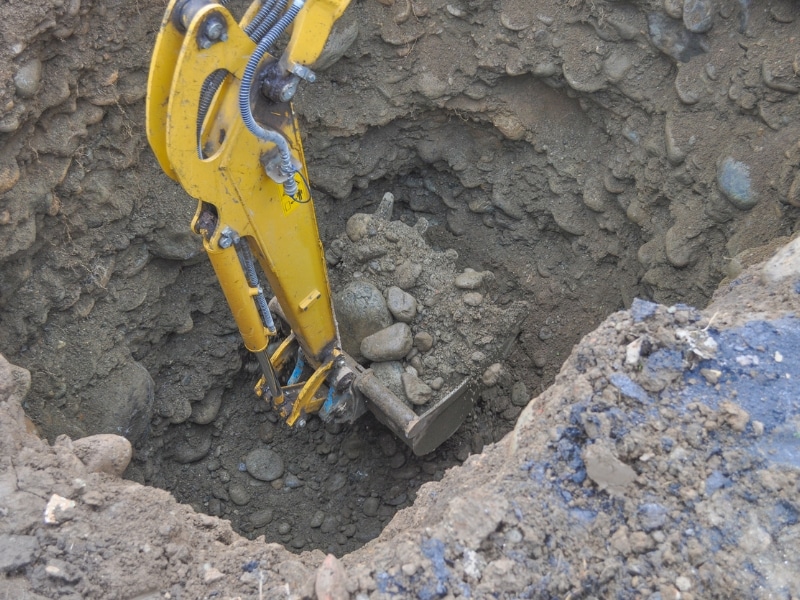
Construction sites where soil types aren’t properly assessed are at high risk of instability, drainage failure or subsiding structures. The soil beneath a building must support everything above it, so ignoring its properties is a risky move. Here are the soil‑related problems to watch for:
- Building on reactive clay can cause ground heaving after rain, distorting the foundation alignment.
- Loose or sandy soils lack cohesion, increasing the likelihood of trench wall collapses if not properly benched or supported.
- High organic content in soil can lead to decomposition, resulting in volume loss and uneven settlement.
- Unknown fill material or rubble beneath the surface may compress unpredictably under heavy loads, shifting over time.
One key step is knowing how correct soil removal helps keep project areas stable. Replacing unsuitable material with compacted fill ensures uniform support across the entire build.
Could overlooked hazards during the excavation process put a project at risk?
Overlooked hazards — from underground cables to unstable trench walls — can halt construction in its tracks. If excavation hazards aren’t addressed early, your project may suffer both physical damage and legal consequences. Here are the hazards you can’t afford to ignore:
- Hitting unmarked power lines or pipes can cause injury, power outages, or dangerous leaks.
- Unstable trench edges may collapse suddenly, especially during rain, threatening workers and delaying the schedule.
- Poor airflow in deep trenches can lead to harmful gas buildup, creating a health hazard for workers below.
- Weak or inconsistent soil layers may shift unexpectedly, especially when heavy machinery is nearby.
If you’re managing a dig, it’s worth exploring reliable excavation solutions for safer construction projects that reduce risks and meet safety standards. These include using certified machinery operators, ongoing site monitoring, and well‑designed shoring systems to reduce risk.
Which steps strengthen site safety throughout the excavation process?
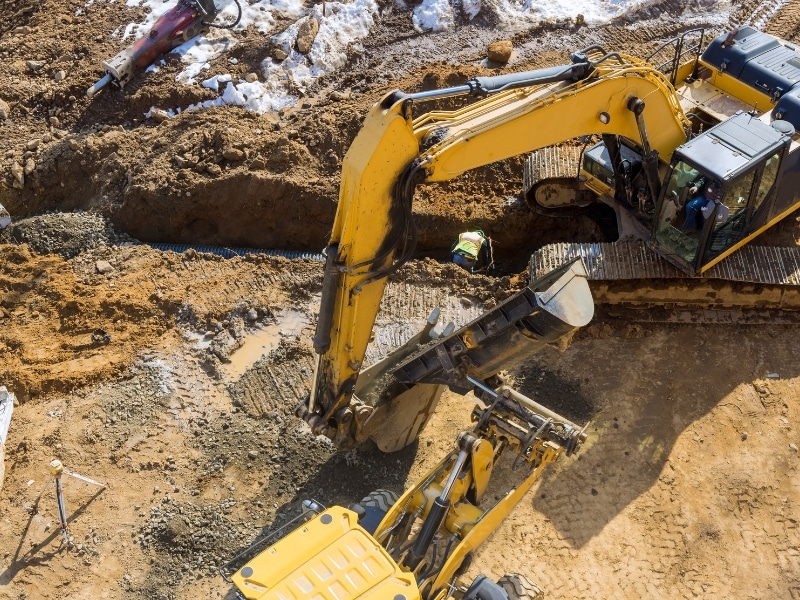
Strengthening safety during excavation means understanding the conditions and putting controls in place before a single bucket of soil is moved. Safe digging protects not only structures, but everyone on site. Here are the practical safety measures used on-site:
- Install trench shields or boxes in deeper excavations to reduce the risk of collapse and entrapment.
- Clearly mark exclusion zones to keep machinery, workers, and pedestrians safely away from active digging areas.
- Use regular slope measurements and soil stability tests throughout the dig to adjust safety protocols as needed.
- Provide escape ladders or ramps at intervals inside trenches over 1.5 metres deep, as required by regulations.
Industry-approved guidance, like managing risks associated with excavation work, is essential. Following these recommendations ensures the site complies with safety standards and keeps hazards in check.
How do certified professionals ensure the excavation process meets safety standards?
Certified excavation professionals apply both technical knowledge and regulatory understanding to deliver safe, compliant groundworks. Their role is essential in translating safety plans into action on the ground. Here are the professional responsibilities that support compliance:
- They oversee the implementation of engineered shoring designs tailored to site‑specific soil types and depths.
- Checklists and compliance audits ensure consistent safety checks are followed throughout each phase of the dig.
- Equipment is regularly inspected, logged, and operated only by trained personnel holding relevant credentials.
- Professionals conduct toolbox talks with crews to reinforce safety obligations and emergency procedures each day.
To give you a clear idea of how professionals contribute at each stage, here’s a breakdown:
| Stage of Excavation | Professional Responsibility | Impact on Safety and Compliance |
| Pre-dig assessment | Soil testing, utility mapping, hazard identification | Prevents collapses, strikes and instability |
| Excavation planning | Engineering trench supports, access design | Aligns with regulations and site conditions |
| During excavation | Inspections, equipment checks, crew supervision | Ensures trench safety and proper technique |
| Post-excavation | Documentation and site sign-off | Confirms standards are met before build-up |
This level of oversight helps avoid shortcuts that compromise quality. It also guarantees any changes in conditions — such as unexpected water inflow or shifting ground — are responded to immediately.
What methods improve efficiency without compromising excavation safety?
Improving excavation efficiency doesn’t mean digging faster — it means working smarter while still upholding safety rules. Efficient jobs save time, but not at the cost of people or structural integrity. Here are the smart excavation methods worth applying:
- Staging equipment is used so that each stage of excavation transitions directly into foundation prep or drainage works without idle time.
- Using pre-measured trench templates ensures workers dig with precision, reducing rework and soil waste.
- Applying real-time tracking tools for slope, moisture, and load changes helps adapt techniques before risks appear.
- Scheduling inspections alongside work zones enables teams to keep moving while staying compliant.
These practices maintain momentum without adding unnecessary risk. Whether on a small residential build or a large commercial development, it’s about consistency and care.
Final thoughts on maintaining site safety through well‑managed excavation planning
Strong excavation planning reduces risks, increases confidence, and sets your build up for long-term success. When site conditions, safety needs and project demands are aligned early, the result is a smooth and secure construction flow. It also gives you peace of mind — knowing your base is solid. For personalised advice or professional site assessments, rely on guidance from Watson Demolition & Site Services.