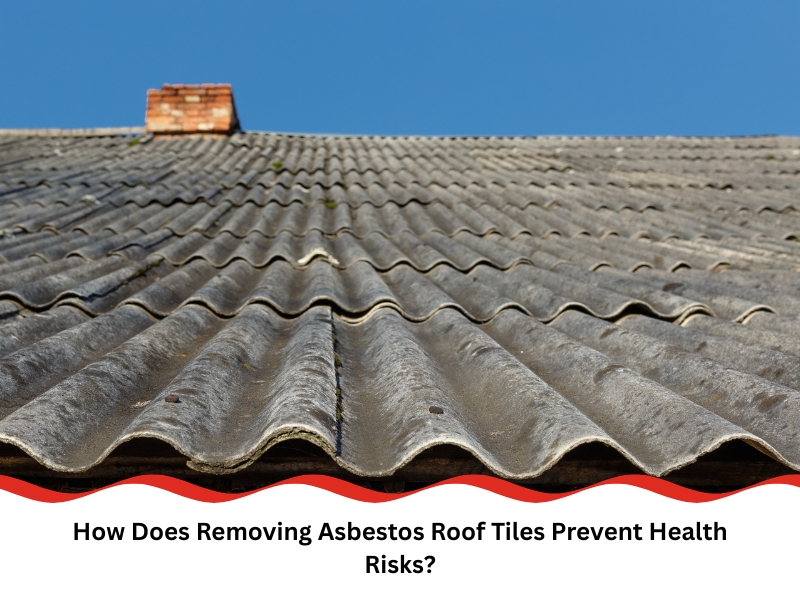
Old asbestos-cement tiles become hazardous because weathering, cracks, and foot traffic can release respirable fibres that migrate into living areas, gardens, and rainwater systems. Acting methodically reduces exposure by controlling disturbance, sequencing removal, and verifying clean-up so your home remains safe to occupy. Because incremental damage compounds risk, early planning reduces both disruption and cost. This article explores removing asbestos roof tiles as a preventative strategy that limits contamination pathways and helps protect your health at home while keeping day-to-day life steady.
What dangers arise when asbestos roof tiles start deteriorating?
Deteriorating asbestos roof tiles endanger health by shedding dust and fragments that spread via wind, water, and routine maintenance tasks into places you touch and breathe. This risk grows as tiles age, because brittle edges and existing penetrations create easy release points that everyday activity can disturb. The practical takeaway is simple: manage the pathways and you cut exposure. Here are the key dangers that increase as asbestos roof tiles continue to deteriorate:
- Contaminated dust can wash into garden soil, tanks, and downpipes, increasing exposure beyond the roof.
- Routine activity disturbs fibres—every step or tool contact risks re-aerosolising settled asbestos.
- Storms and heat cause cracks, turning sealed edges into fibre-releasing surfaces.
- Roof works like skylights or air-con installation create new points for dust to enter indoors.
If you’re weighing next steps for removing asbestos roof tiles, practical local guidance on methods and compliance helps keep things fair dinkum. A solid place to begin is by understanding safe asbestos roof removal procedures that apply to your state or local area.
Why do homeowners underestimate the risks of old asbestos materials?
Homeowners underestimate risks because intact-looking asbestos cement seems tough, symptoms are delayed, and routine familiarity makes hazards feel less urgent than they are. That perception skips the physics: brittle tiles and fasteners behave unpredictably, and small mistakes can create airborne fibres that linger before you roll up the sleeves for hard yakka, sense-check assumptions and plan evidence-first. Here are the reasons homeowners tend to downplay the dangers of ageing asbestos materials:
- Familiar materials feel safe, so people skip controls when inspecting or cleaning the roof.
- Neighbours’ stories encourage confidence, even when roof conditions vary widely.
- DIY methods ignore wetting, containment and PPE, creating long-lasting contamination issues.
- Guesswork on disposal often leads to unsealed waste and repeated contamination.
If you suspect old roofing may pose risks inside the house, knowing how to check if asbestos could be present indoors helps confirm the next best steps without guessing.
Could removing asbestos roof tiles release harmful fibres into the air?
Removing asbestos roof tiles can release harmful fibres when tiles are snapped, dry-cut, or dragged across fixings, because breakage exposes fibre bundles that wind can pick up and carry to porous surfaces. That risk isn’t a foregone conclusion, though; it’s a function of technique, force, and moisture. Control the energy, and you control the release. Here are the conditions under which asbestos fibres are most likely to become airborne during removal:
- Using saws or grinders creates fine dust that spreads deeper and requires full-area clean-up.
- Hand tools and damp lifting reduce tile breakage and airborne fibre release.
- Stacking tiles gently avoids fractures and prevents release during disposal.
- Internal access points should be sealed to block fibre movement indoors.
When removal is paced, dampened, and intact, fibre release stays low and predictable, meaning re-entry can be assessed quickly and living areas won’t cop avoidable contamination. That’s how you keep things on an even keel.
What happens if you delay removing asbestos roof tiles from your home?
Delaying removal increases health risk and cost because materials keep degrading, controls must tighten later, and minor contamination can grow into broader remediation that interrupts everyday living. Waiting also raises the odds that a storm or urgent repair forces rushed decisions under poor conditions. Acting sooner tends to be safer, cheaper, and far less stressful. Here are the consequences you’re more likely to face if you postpone asbestos roof tile removal:
- Delays lead to higher costs due to extended wrapping, site time and scaffolding.
- Gutter and pipe residues increase disposal volume and handling effort.
- Storms can turn tiny cracks into breakage, requiring high-level controls.
- Unplanned work can clash with asbestos, creating scheduling and cost blowouts.
When weighing your timing, it helps to consider things to know before getting rid of asbestos in your property, including disposal logistics and how removal might fit around other home upgrades.
Which safety steps are essential during the removal of asbestos roof tiles?
Essential safety steps control energy, contain dust, and verify cleanliness so you finish confident the site is safe to reoccupy and future works can proceed without revisiting old risks. Sequence matters: assess, set up, remove intact, package, transport, and document with care. Here are the safety protocols that must be followed to prevent fibre exposure during removal:
- Pre-assessment checks the roof condition, weather, access and waste planning before work begins.
- Set-up includes signs, boundaries, dampening surfaces, and hand-tool protocols.
- PPE involves sealed suits, masks, gloves and hygiene zones to limit fibre spread.
- Disposal requires sealed bags, transport licences and documented waste tracking.
When these safety steps are followed, they significantly lower exposure risks tied to even small amounts of dust. That’s especially important when you consider how easily fibres can spread indoors—understanding the dangers of asbestos dust and debris makes it clear why even minimal disruption must be managed with care.
How does professional asbestos removal reduce long-term health risks?
Professional removal reduces long-term risks by applying licensed methods, verifying cleanliness, and documenting outcomes so future renovations and property transactions proceed without legacy contamination concerns. The biggest benefit is certainty: measured steps, predictable timing, and a clear handover that stands up to scrutiny. Here are the key benefits of hiring professionals for asbestos roof tile removal:
- Experts adapt techniques to tile brittleness, wind, or penetrations on site.
- Intact removal prevents breakage and reduces airborne risk during handling.
- Clearance includes air testing and visual checks so rooms are safe to re-enter.
- Paperwork like manifests and photos supports future resale and compliance.+
| Factor | DIY Removal Risks | Professional Removal Benefits |
| Fibre control | High risk of fibre release and spread | Minimised through wet methods and intact handling |
| Legal compliance | Often non-compliant with safety or waste laws | Fully licensed and aligned with WHS regulations |
| Post-removal safety | Unverified – may leave airborne fibres behind | Clearance testing confirms safe reoccupation |
| Documentation | Lacking or incomplete | Full records for insurance, resale, and council use |
| Health impact | Ongoing exposure risk if not done correctly | Long-term risk reduction through certified removal |
That combination of control and verification means fewer worries later, smoother project planning, and a property that’s easier to maintain without hidden issues lurking overhead—it’s a tidy outcome by any measure.
Final thoughts on keeping your home safe through responsible asbestos removal
Responsible removal of asbestos roof tiles protects health by reducing fibre release at the source, containing dust during handling, and confirming cleanliness before normal living resumes. A steady plan beats rushed fixes because timing, intact methods, and documentation work together to prevent small defects from becoming larger problems. For tailored next steps aligned to your home’s condition and schedule, explore how Watson Demolition & Site Services ensures safe and compliant asbestos removal so your project stays on track without drama from first inspection to final clearance.