
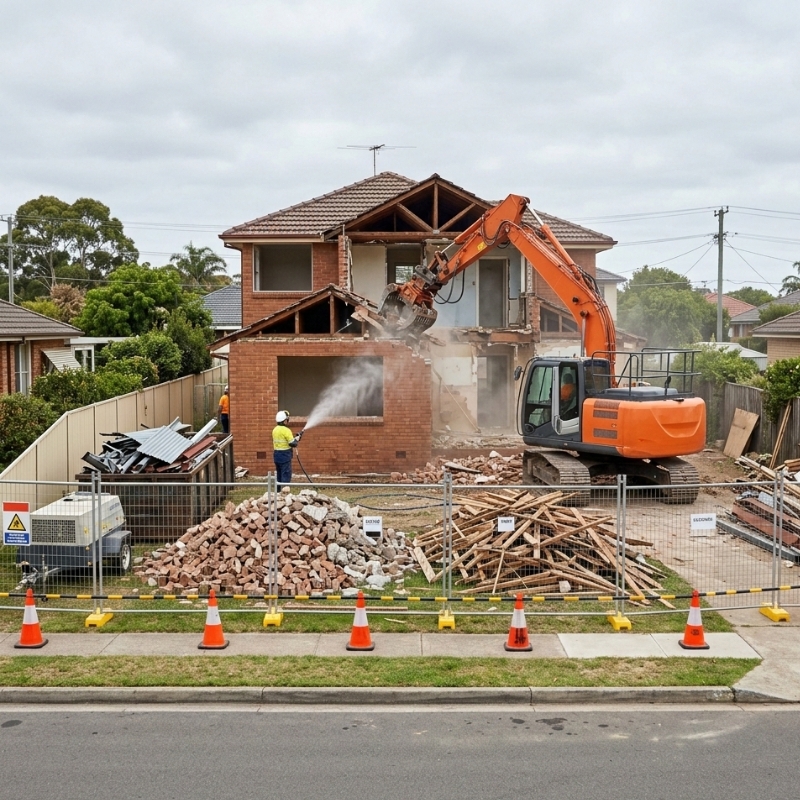
Starting a renovation or planning a knockdown can feel like a blur of decisions, paperwork, and “Where do we even begin?” moments. In NSW, a little preparation up front can save weeks of delays later—especially when Demolition is part of the plan, and there are safety, access, and compliance steps that need to be handled in the right order.
This guide is a homeowner-friendly checklist you can work through, whether you’re renovating part of the home, doing major structural changes, or preparing for a knockdown rebuild. It’s written for NSW conditions and common situations across Newcastle, the Hunter Valley, Sydney, and the Central Coast.
Start here: decide what you’re actually doing
Before you book trades or start clearing rooms, get clarity on the scope. This affects approvals, safety checks, and what you need to organise first.
Is it a renovation, a partial removal, or a full knockdown?
Ask yourself:
• Are you keeping most of the structure and upgrading rooms?
• Are you removing a section (like a rear extension) while keeping the front?
• Are you removing the whole structure to rebuild?
Even if you’re “just renovating,” the moment you alter structural elements, change the building footprint, remove load-bearing walls, or deal with older materials, the prep list becomes much more like a knockdown prep list.
Quick decision checkpoint
If you answer “yes” to any of the below, slow down and do the safety/compliance steps early:
• The home was built or renovated before the late 1980s
• You see fibro sheeting, old vinyl tiles, or textured coatings
• There’s a detached garage/shed with old cladding
• You can’t clearly identify where services run (gas, power, water, sewer)
• The site is tight (inner suburbs, narrow driveway, limited street parking)
• The property has large trees near the work zone
Checklist 1: Paperwork and approvals in NSW
This is where a lot of projects stall. Many delays happen because people start planning the build but forget the early-stage checks that shape what’s allowed.
Confirm your approvals pathway
In NSW, projects usually go down one of these pathways:
• Development Application (DA) through the council
• Complying Development Certificate (CDC) through an accredited certifier (if eligible)
• Exempt development (limited, smaller-scale work only)
Whether you’re renovating or knocking down, your approvals pathway impacts timelines, documentation, neighbour notifications, and site rules.
Do the “constraints scan” before anything else
In Newcastle, the Hunter, Sydney, and the Central Coast, the same few issues pop up again and again:
• Heritage listings or conservation areas (especially in older, established suburbs)
• Flood or coastal inundation considerations (common across parts of the Central Coast and waterways)
• Bushfire-prone land (more common on semi-rural edges and acreage blocks)
• Significant trees and vegetation controls
• Easements and sewer lines that restrict what can be built or where access can go
Even if your build team handles most of this later, it helps to know early, because it can change whether a CDC is possible, how access is arranged, and what must be protected during works.
Gather the documents you’ll be asked for
You can save time by assembling these early:
• Recent survey (or organise one if you don’t have it)
• Any existing plans or renovation history
• Photos of the site, access points, fences, and neighbouring structures
• Any reports you already have (pest, building inspection, asbestos register if applicable)
• A rough project description and intended timeline
Q&A: Do I need council approval to knock down a house in NSW?
Most full knockdowns and many major structural renovations require approval—either via a DA or a CDC (if eligible). The “right” pathway depends on the site constraints, zoning, heritage status, and what exactly is being removed or changed. If you’re unsure, start with the Planning Portal guidance and then confirm with the council or an accredited certifier early.
Checklist 2: Safety checks that prevent nasty surprises
This is the part that protects people and budgets. The most expensive “surprises” tend to be safety-related: asbestos, hidden services, unstable structures, and undocumented previous work.
Treat asbestos as “likely” in older NSW homes
If your home (or detached structures) dates back decades—especially fibro-era builds—assume asbestos could be present until proven otherwise. Common risk areas include:
• Eaves and soffits
• Wall and ceiling linings (fibro)
• Backing boards behind tiles
• Old vinyl floor tiles and adhesives
• Garage and shed cladding
• External weatherboards in some cases
If you suspect asbestos, don’t drill, sand, cut, or pull sheeting “just to check.” Get it assessed properly. SafeWork NSW explains the risks and obligations clearly here: SafeWork NSW asbestos information
Check for other hazardous or tricky materials
Depending on the age and history of the property:
• Lead-based paint (common in older homes)
• Old fuel or chemical storage (more common on semi-rural sites)
• Contaminated fill or dumped materials
• Mould and water damage
Inspect structural stability and access risks
Before any removal begins, identify:
• Any sagging roofs, damaged framing, or termite-compromised timbers
• Retaining walls that could shift when nearby areas are excavated
• Unstable chimneys, old brickwork, or leaning sheds
• Overhead powerlines near the intended work zone
• Tight access points that force awkward machinery movement
Q&A: Can I start stripping out the inside before approvals are final?
It depends on the scope and what you’re removing. Minor, non-structural internal changes might be fine, but once you start removing elements that affect the structure, fire safety, or regulated materials (like asbestos), you can create compliance and safety issues fast. If you’re uncertain, treat it as “pause and verify” before you start ripping anything out.
Checklist 3: Utilities and services
Service management is one of the biggest sources of delays—especially when work starts, and someone discovers the wrong line was isolated, or nothing was isolated at all.
Identify every service on the property
Make a list:
• Electricity (including solar and battery systems if installed)
• Gas (mains or bottles)
• Water
• Sewer or septic
• Stormwater
• NBN/phone/internet
• Any sub-meters, granny flat connections, or outbuilding feeds
Plan disconnections and isolations early
For renovations, you might only need isolations in certain zones. For knockdowns and major removals, full disconnections are usually part of the process.
Practical steps:
• Locate the main switches, meters, and shut-offs now (not on “day one”)
• Photograph service entry points and meter locations
• Confirm whether overhead or underground power affects access
• If there’s gas, confirm where the line runs and who must cap it
Don’t forget stormwater and drainage pathways
On the Central Coast and parts of Newcastle, drainage matters with heavy rainfall events. If you change ground levels, move structures, or disturb drainage lines, you can create problems for your own block and neighbours. Make sure you know where stormwater currently flows and what must remain functioning during works.
Checklist 4: Site access and logistics
This section is where NSW projects in built-up suburbs often succeed or fail. If a site is tight, access and logistics need as much planning as the build itself.
Map how people and equipment will get in and out
Walk the site and note:
• Driveway width and slope
• Gate and fence widths
• Low eaves, trees, or overhead cables
• Turning circles (especially if the street is narrow)
• Safe pedestrian pathways
In Sydney suburbs and older Newcastle streets, parking and loading spaces can be a real constraint. In the Hunter Valley, you may have plenty of space but long driveways, soft ground, or drainage lines to protect.
Protect what you’re keeping
Even if you’re doing a full knockdown, you may be keeping:
• Neighbouring fences (or parts of them)
• Trees that must remain
• A shared driveway edge
• A retained garage slab or retaining wall (in some projects)
Plan protection:
• Temporary fencing and clear signage
• Driveway protection if heavy vehicles will use it
• Barrier zones to keep pets and kids away
• Dust control approach (especially if neighbours are close)
If you want a practical sense of how site readiness is typically organised before major removal or rebuild phases, property site preparation support can help you think through access, protection, and sequencing before anything starts.
Arrange waste and material staging
Decide:
• Where will skips or bins go?
• Where can materials be staged safely?
• Is there enough room to separate waste types if required?
• Will you need a temporary stockpile area for soil or spoil?
A lack of staging space is one of the reasons inner suburban jobs feel chaotic. The solution is usually simple: allocate zones and keep them consistent.
Q&A: What’s the biggest access mistake homeowners make?
Assuming access will “work itself out” once trades arrive. If the driveway is narrow, the street is tight, or there are overhead lines and trees, you want to know that now—because it affects equipment choice, safety controls, and how long the work takes.
Checklist 5: Neighbours, boundaries, and shared issues
A calm neighbour situation makes everything easier—especially for noise, dust, parking, and boundary fences.
Confirm boundaries and fence condition
Before work begins:
• Take dated photos of boundary fences and nearby structures
• Note any existing cracks, leaning fences, or drainage issues
• Confirm where the boundary line is if it’s unclear
If you’re in a terrace or semi in Sydney, or on a tight block in Newcastle/Central Coast suburbs, proximity makes this step even more important.
Give neighbours a simple heads-up
You don’t need to overshare. A friendly notice can reduce complaints:
• Approximate timing (start week and expected duration)
• Who to contact if there’s an urgent issue
• Parking expectations
• Dust/noise controls you’re planning
If you share a driveway or have close-set homes, consider a quick conversation rather than just a letter.
Plan “quiet hours” and access etiquette
Even when you’re fully compliant, being thoughtful helps:
• Avoid blocking driveways
• Keep site entries tidy
• Manage dust proactively on windy days
• Don’t let waste overflow into the street
Checklist 6: Preparing the house itself
This section applies more to renovations, partial removals, or staged works.
Remove or protect valuables and sensitive items
Renovations create vibration, dust, and traffic. Do this early:
• Remove valuables, artwork, and fragile items
• Cover furniture properly (not just a thin sheet)
• Seal internal doorways with plastic if you’re living on site
• Protect floors along access paths
Plan your living arrangements realistically
Ask:
• Will parts of the home be unusable (bathroom, kitchen, laundry)?
• Can you safely isolate the work zone from kids/pets?
• Do you need temporary accommodation for any phase?
If you’re attempting a “live-in renovation,” build in buffer time. NSW weather and trade scheduling can stretch timelines.
Secure the site
Before works begin:
• Install temporary fencing if there’s open access
• Add clear signage
• Keep tools/materials locked away
• Ensure lighting is adequate if people will be on site early/late
Checklist 7: The “day one” readiness list
This is the short list to run through the week before work starts.
Confirm these essentials
• Approvals pathway confirmed (DA/CDC/exempt) and key documentation accessible
• Asbestos/hazard assessments completed where relevant
• Services disconnection/isolation booked and confirmed
• Access route clear (gates, cars moved, low branches trimmed if allowed)
• Neighbour notice delivered (if appropriate)
• Site safety plan understood (even at a homeowner level)
• Waste plan in place (bins/skips and placement)
• A clear point of contact for questions and changes
If you’re trying to reduce delays and keep the first week smooth, a structured approach and help with safe site set-up can make the whole process feel far more predictable—especially on tight blocks or older properties.
Q&A: What should I do if I discover something unexpected on day one?
Stop and reassess before pushing on. Common “surprises” include hidden asbestos, undocumented plumbing, old tanks, or unstable structures. Continuing without a plan can create safety risks and expensive rework. Take photos, isolate the area, and get the right advice before proceeding.
Common NSW scenarios (and what to do)
Older fibro home in Newcastle or the Central Coast
Likely issues:
• Asbestos in cladding/eaves/backing boards
• Old wiring upgrades are needed before the works
• Subfloor moisture or termite history
Best prep:
• Treat asbestos as a priority check
• Confirm electrical safety and isolate correctly
• Plan dust control and neighbour communication
Tight suburban block in Sydney
Likely issues:
• Limited access for machinery and waste bins
• Parking conflict and neighbour sensitivity
• Higher risk of boundary and fence disputes
Best prep:
• Map access and staging areas early
• Photograph boundaries and fences
• Be proactive with neighbour notice and tidy site practice
Larger acreage or sloping block in the Hunter Valley
Likely issues:
• Drainage, erosion, and soft ground for access
• Long driveways needing protection
• Septic systems, tanks, or older outbuildings
Best prep:
• Confirm drainage pathways before disturbing soil
• Identify all services and systems (including septic)
• Plan stable access routes for wet conditions
FAQ
How early should I start preparing before a renovation or knockdown?
Ideally, 4–8 weeks before work begins for major projects, because approvals, reports, and service arrangements can take time. For smaller renovations, start at least a few weeks ahead so you can still do safety checks and site planning without rushing.
What’s the difference between DA and CDC in NSW?
A DA is assessed by the council and may involve a more detailed assessment and conditions. A CDC is a faster pathway for projects that meet specific standards and eligibility rules, usually assessed by an accredited certifier. Site constraints like heritage, bushfire, flooding, and zoning can affect eligibility.
Do I need to check for asbestos if I’m only renovating a bathroom or kitchen?
If the home is older, yes—it’s worth checking. Bathrooms and kitchens often involve wall linings, backing boards, old flooring, and adhesives where asbestos can be present. Disturbing it without controls is a serious health risk.
What services usually need to be disconnected before a knockdown?
Often, electricity, gas, water, sewer/septic considerations, and telecommunications. The exact requirement depends on the scope and site conditions, but you should never assume services are “inactive” just because a room isn’t being used.
Can I remove a shed or garage without approval?
Sometimes small structures can be exempt, but it depends on size, location, materials, and local controls. If it’s near boundaries, involves older materials (including asbestos), or sits under easements, you may need approvals or specific controls.
How do I reduce complaints from neighbours?
Give early notice, keep access tidy, manage dust, avoid blocking driveways, and stick to reasonable hours. Most complaints happen when neighbours feel blindsided or unsafe.
What’s the most overlooked step?
Access planning and service management. If you don’t know how equipment, waste, and people will move through the site—or you haven’t confirmed isolations—projects can stall immediately.