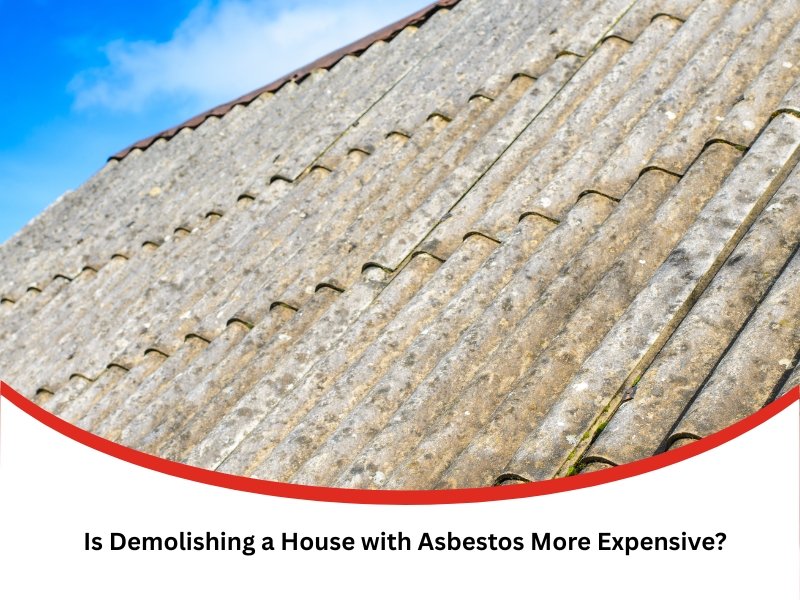
Demolishing a house with asbestos is typically more expensive due to the added steps required for safety and legal compliance. In Newcastle, many older homes were built with materials now classified as hazardous, meaning the standard demolition process must be adjusted. That includes licensed removal, regulatory paperwork, waste tracking, and stricter air quality controls — all of which contribute to rising costs. Failure to plan these elements properly can lead to delays, penalties, or even project shutdowns. This article explores the financial, legal, and environmental impacts you must manage when facing an asbestos-related demolition.
What makes demolishing a house with asbestos risky in Newcastle?
Asbestos increases the risk of demolition in Newcastle due to legal exposure, hidden materials, and health hazards. This risk level directly raises your planning and cost responsibilities. Here are the risk factors you must manage:
- Friable asbestos becomes airborne easily during demolition, increasing health risks and requiring strict air quality controls on-site.
- Many Newcastle homes contain asbestos sheeting, pipe lagging or insulation installed decades ago, making pre-demolition testing essential.
- Failure to comply with NSW regulations can lead to hefty fines or complete project stoppage by WorkSafe inspectors.
- Community safety requirements are higher, including dust suppression, fencing, air monitoring and certified contractor oversight.
For Newcastle homeowners, these risks require careful attention before demolition begins. To control your costs, you’ll also want to understand house demolition costs in Newcastle.
Why do asbestos removal costs affect total demolition pricing?

Asbestos removal costs affect the entire budget because removal must be done in isolation by trained professionals, before actual demolition starts. Here are the cost factors that contribute most:
- Removal involves licensed professionals with additional training, equipment, and insurance, which all raise hourly and total labour costs.
- Transport and disposal of asbestos waste must follow NSW EPA rules and occur only at certified landfills, adding material handling fees.
- Time delays caused by asbestos removal often mean extra rental fees for equipment or site facilities, pushing the budget up.
- Special insurance policies or risk premiums are often added to protect contractors and homeowners from liability linked to asbestos exposure.
When estimating your demolition budget, don’t forget to account for these line items. You can also get ahead by learning how to prepare a building for safe demolition — a step that makes your asbestos removal process more efficient and reduces delays before heavy equipment arrives.
Can hidden asbestos materials delay the demolition process?
Yes, hidden asbestos can delay demolition significantly, especially in older homes where full testing wasn’t completed before the first works began. Here are the delay triggers you’ll want to avoid:
- Unidentified asbestos in walls, ceilings or eaves can pause the job until a licensed removalist is brought in to assess and clear.
- Delays often cause rescheduling of contractors, meaning added labour costs and potential conflicts with council permits.
- Air clearance testing and re-inspections can take days, especially if demolition begins before asbestos control plans are finalised.
- Waste transport and landfill schedules can also be thrown off by unexpected material quantities found mid-demolition.
| Delay Factor | Cause | Impact on Project |
| Surprise asbestos discovery | Materials not identified in the original asbestos audit | Immediate work stoppage and re-assessment |
| Clearance testing requirements | Mandatory air quality testing after asbestos removal | Adds days to the timeline before demolition |
| Rescheduling of trades and contractors | Demolition phase postponed until asbestos is removed and certified | Labour and equipment downtime |
| Disposal and transport disruptions | Extra asbestos waste was not accounted for in the initial logistics plan | Delays due to transport approval backlog |
Delays can easily snowball once asbestos enters the picture. That’s why it’s smart to get residential demolition contractors Newcastle who know how to manage surprises on-site efficiently.
How to safely plan asbestos removal before house demolition in Newcastle
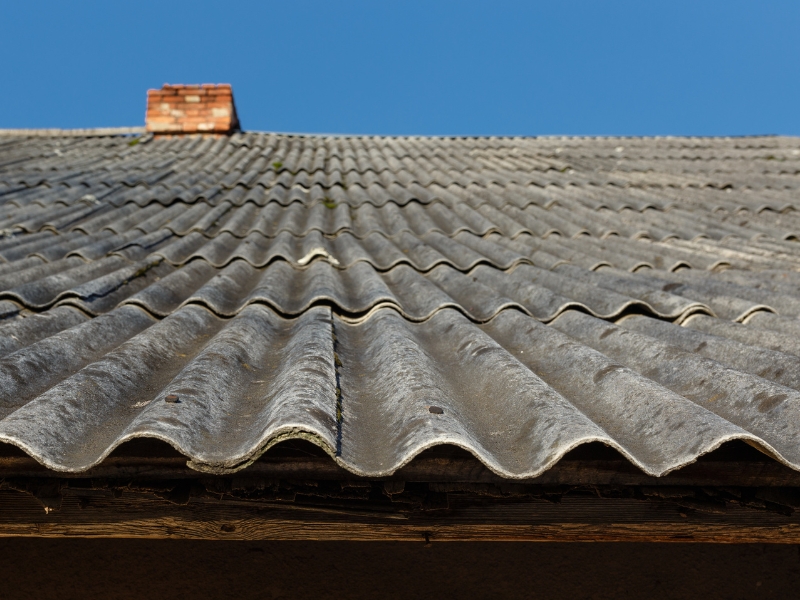
Safe planning ensures the asbestos is removed without health risk or legal drama. It also keeps your timeline and budget under control throughout the demolition process. Here are the steps to build a strong plan:
- Book a licensed asbestos assessor before anything else; this professional identifies all hazardous materials needing removal.
- Develop an asbestos removal control plan, including PPE protocols, isolation procedures and expected disposal timelines.
- Request a clearance certificate after removal, and only then should you book demolition contractors or heavy equipment.
- Pre-notify neighbours and council about your timeline and dust control methods to reduce complaints or regulatory interference.
Planning in this way means fewer surprises and safer outcomes. You’ll also save time and money by sticking to a safe asbestos removal process that experienced contractors follow in Newcastle.
Which demolition contractors are licensed for asbestos clearance in NSW?
To handle asbestos removal legally and safely in NSW, your contractor must be licensed for both removal and structural works. Hiring unlicensed workers can be a costly mistake. Here are the qualifications and traits to look for:
- Contractors should hold Class A or B licences, which permit different types of asbestos removal depending on friability and volume.
- Proof of public liability and worker protection insurance must be available before work starts.
- Experienced contractors employ certified demolition experts who manage both structure and hazardous waste.
- Licensed demolition firms follow all reporting rules, including post-removal documentation and council compliance certificates.
To ensure your contractor ticks every box, ask directly if they’re licensed for asbestos jobs. It helps confirm you’re working with certified demolition experts and meeting NSW standards. Another benefit is they’re often more aligned with sustainable demolition options, meaning fewer environmental headaches.
Are there eco-friendly methods for demolishing asbestos-affected homes?
Yes — even when asbestos is present, you can still take sustainable steps to reduce waste and environmental impact during your demolition. Here are the eco-friendly actions to take:
- Salvage non-asbestos materials like timber or brick, which can be reused or sold instead of sent to landfill.
- Minimise the use of mechanical equipment by separating hand demolition from machine tasks where appropriate.
- Use asbestos-specific waste containment systems, such as sealed bins and double-bagging, to reduce airborne fibre risk.
- Engage contractors who track landfill usage and comply with the EPA’s digital waste systems like WasteLocate.
Eco-focused demolition isn’t just about the environment — it can cut down on tipping fees and project footprint. Be sure your contractor has experience with both compliance and how to prepare a building for safe demolition.
Final thoughts on demolishing a house with asbestos safely and affordably
Demolishing a house with asbestos may cost more, but it’s manageable when you use licensed professionals, proper planning, and the right removal process. Each added step — from inspection to disposal — protects your health, meets council rules and ensures things run on schedule. For Newcastle homeowners, the safest way to manage the entire process is with practical knowledge from Watson Demolition & Site Services, who bring both demolition and asbestos expertise to every project.