
Excavation work underpins so many construction projects, yet the term excavation site often conjures images of danger, collapse or costly delays. If you’re managing or working on one, you need more than a general awareness — you need clarity on what makes these sites hazardous, how to mitigate risks, and what regulations must guide your approach.
In this article, you’ll learn what distinguishes safe practice from dangerous assumptions. You’ll see why many incidents happen, how codes of practice shape the rules, and practical methods to keep your site stable. By the end, you’ll be better equipped to oversee an excavation site with confidence — not by luck, but by design.
What makes an excavation site hazardous?
When you step onto an excavation site, you’re facing multiple hidden hazards — the sort that can strike suddenly or escalate fast.
- Ground collapse or cave‑ins — one of the most serious threats when soil, rock, or existing structures shift unexpectedly.
- Falling loads or materials — tools, debris or equipment dropped into the trench can injure workers below.
- Unsafe slopes — overly steep walls without support may disturb the balance of the earth.
- Water ingress and flooding — water can weaken soil, wash away support, or saturate walls.
- Underground services — gas, electrical, water, or sewer lines may be severed, creating further risk.
These excavation hazards require careful planning and vigilance. Even a shallow trench can present serious danger if not assessed properly. When such hazards are ignored or underestimated, the poor outcomes can ripple — work stoppages, injuries, legal exposure or outright failure of the project.
Why do excavation site accidents often happen?
You might assume that accidents are freak events, but in reality, most stem from breakdowns in planning, systems or oversight — rather than random misfortune. One big driver: inadequate risk assessment. If soil conditions, water levels or underground utilities aren’t understood before digging, surprises emerge. Another is overconfidence. Teams sometimes proceed as though nothing will go wrong — until they discover otherwise.
Understanding trench safety risks is crucial, as many site accidents occur due to trench collapses and poor excavation planning. Also, weak oversight can allow excavation risks to escalate. If inspections are skipped or controls degrade over time, walls can shift unexpectedly.
Finally, poor communication and coordination across contractors often contribute. When everyone isn’t on the same page about safe paths, loads, plant movement or support systems, risk multiplies. Because these failures are cumulative, accidents often follow a chain of small missteps, rather than one glaring mistake.
How do codes of practice protect an excavation site?
To counter those hazards and risks, Australia has a robust regulatory backbone. The Model Code of Practice: Excavation Work (Safe Work Australia) offers practical guidance on managing risks in excavation work. Key points include:
- The code applies to bulk excavations deeper than 1.5 metres, trenches, shafts and tunnels.
- It describes duties for persons conducting a business or undertaking (PCBUs), designers, contractors and workers.
- It sets out a risk management process: identify, assess (if needed), control, maintain and review.
- It mandates Safe Work Method Statements for high-risk construction work, including excavations deeper than certain thresholds or those near existing structures.
- The code is admissible in court to show what is reasonably practicable for safety.
These frameworks are crucial for maintaining excavation safety in construction and serve as the baseline for any project involving soil disturbance or structural support. By following the excavation code of practice, duty holders gain clarity on their obligations. More than that, it offers a benchmark: if your practices match or exceed it, you stand on stronger ground legally and operationally.
What steps improve site preparation for safe excavation?
Site preparation is where much of the safety margin is earned. To reduce surprises further down, follow these steps:
- Survey and site investigation — test soil type, groundwater, strata and subsurface utilities
- Clearance and access — remove vegetation, debris, or obstacles; ensure safe routes for machinery
- Designation of spoil placement — position excavated material well back from edges, with stable ground
- Pre‑excavation drainage — pump or divert water to avoid saturation, which undermines soil integrity
- Safe entry and exit points — ladders, ramps or steps, with minimal slope and safe footing
- Traffic and plant management — schedule movement, mark paths, cordon off zones
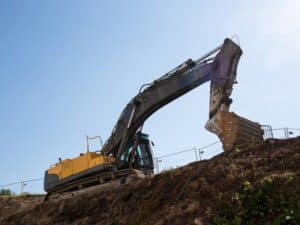
A well‑executed site preparation phase establishes solid foundations for safe work. It’s far easier to build a safe site than to correct for weak foundations later. This also ties into safe site preparation methods in more detail from specialised resources.
Which methods reduce risks at an excavation site?
Once excavation is underway, you need structural supports and engineering techniques to hold the walls stable. Among the most used:
- Benching or battering — cutting walls into stepped or sloped profiles
- Shoring — use of timber, steel or hydraulic supports to prop walls
- Shield systems (trench boxes) — protective boxes that allow safe work inside a cavity
- Soil nailing or anchors — reinforcing the wall with rods or anchors embedded in stable ground
- Shotcrete or lining — concrete sprayed onto exposed surfaces
- Use of retaining walls (which we’ll address next)
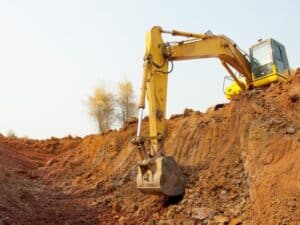
Because each method has trade‑offs (cost, installation time, soil compatibility), choosing the right combination is critical. The application of excavation shoring is often one of the most effective, especially for deeper trenches.
How do retaining walls and structures support excavation safety?
Retaining walls, tiebacks, and other structural elements serve two vital roles:
- Lateral support — they resist earth pressure that would otherwise push inward
- Mitigation of external influences — e.g. adjacent structures, traffic loads or surcharge pressures
When you incorporate retaining walls, consider:
- Wall design (gravity wall, cantilevered, anchored) based on height and load
- Integration with shoring (walls can act in concert with temporary supports)
- Proper drainage design behind walls to reduce hydrostatic pressure
- Phased removal or installation so that sections remain stable
These measures align closely with the standards used in excavation services Newcastle especially where long-term structural safety is a concern. Used correctly, these structures reduce reliance on temporary shoring in long excavations and offer more durable safety margins across project duration.
Final thoughts on creating safer excavation sites
Managing a worksite with deep digging or trenching calls for more than machinery and manpower — it demands foresight, planning and a steady commitment to safety. Hazards can emerge quickly, but most risks are predictable when the groundwork is done right.
Understanding how issues develop on-site is key. Use the relevant codes to shape your systems, rely on strong preparation methods, and support structures with the right safety solutions at every stage.
If you’re operating in Newcastle or the Hunter region, it’s worth consulting experts who take these responsibilities seriously. Many projects benefit from teams who align with best practice and local standards. For guidance, draw on insights from Watson Demolition & Site Services to shape your protocols.
Work smart, plan ahead, and never cut corners when lives and assets are at stake.