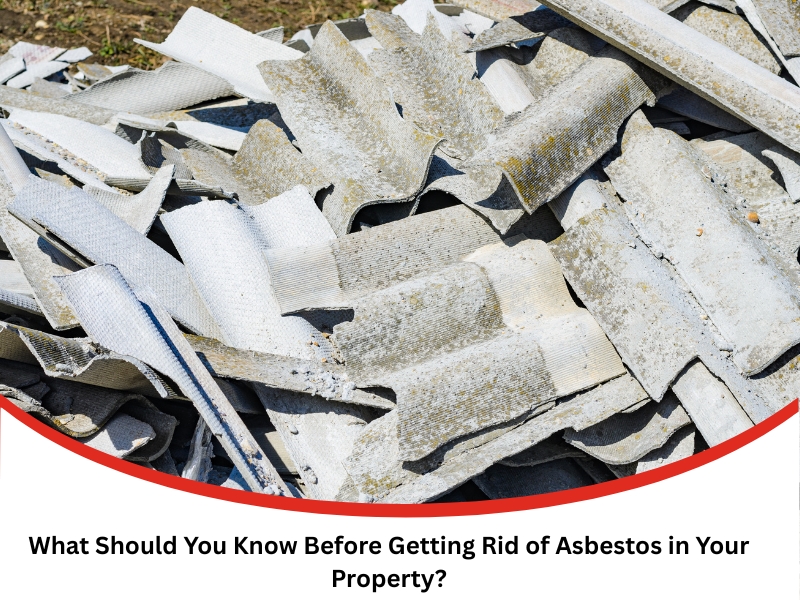
Asbestos is still present in many Australian homes built before the 1990s, and knowing how to handle it safely can protect both your health and property. Many homeowners underestimate the dangers until it’s too late, exposing themselves to potential contamination. Understanding where asbestos hides and how professionals manage it is key to preventing harm. This article explores the crucial facts and safety steps you should know before getting rid of asbestos in your property.
Why does asbestos remain a hidden risk in older buildings?
Asbestos remains a hidden risk in older buildings because it was widely used in construction materials for decades, making it difficult to detect without testing. Even small disturbances during renovations can release fibres into the air. Here are the main areas where asbestos may still be lurking in your property:
- Ceiling insulation and wall sheeting often contain asbestos fibres that blend with other materials, making detection difficult.
- Roofing tiles and eaves may have asbestos cement, which becomes brittle and hazardous as it ages.
- Old vinyl flooring sometimes has asbestos adhesive underneath that releases fibres when lifted.
- Hot water and electrical insulation from older installations can still pose exposure risks today.
Despite the risks, many homes still contain asbestos because removal was never mandatory unless renovations occurred. If you’re uncertain, it’s essential to seek trusted asbestos removal solutions before starting any work. Knowing what’s behind your walls or ceiling is the first step to preventing airborne contamination. A professional inspection is the safest way to identify asbestos accurately. It ensures that your renovation or demolition project won’t disturb harmful materials hidden in plain sight.
How can overlooked materials make asbestos exposure more likely?
Overlooked materials increase asbestos exposure risk because many household items contain asbestos in less obvious forms, from glue to old paint layers. Ignoring them can allow fibres to escape unnoticed during routine maintenance. Here are the materials that often go overlooked:
- Adhesives, putties, and sealants may hide asbestos fillers, which crumble and release fibres over time.
- Fireproof panels behind heaters or stoves frequently contain asbestos for heat resistance.
- Roof underlays and gaskets might hold asbestos felt, especially in older roofing systems.
- Cement water pipes still found in some older suburbs could degrade and release asbestos particles into the soil.
These materials often go unnoticed because they seem harmless or non-friable. A detailed inspection by trained professionals can reveal hidden asbestos spots before work begins. Recognising the signs that your property may contain asbestos materials can prevent accidental exposure and unnecessary risk during property maintenance. Taking the time to test suspected materials before cutting or drilling can save you costly remediation and protect your long-term health.
What health issues can arise from getting rid of asbestos incorrectly?
Incorrect asbestos removal can lead to severe and lifelong health conditions because inhaled fibres cause internal damage that cannot be reversed. The greatest danger lies in airborne contamination that spreads quickly once disturbed. Here are the most serious health effects linked to improper asbestos handling:
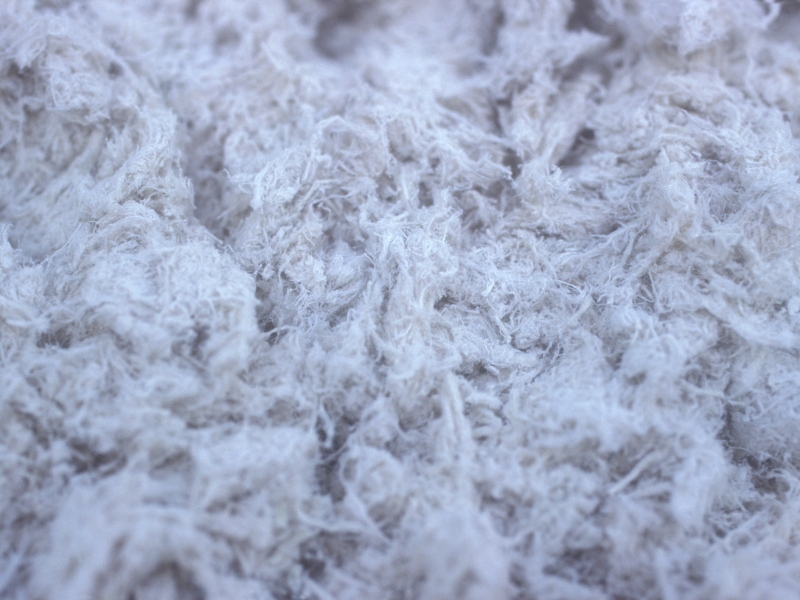
- Asbestosis develops from prolonged exposure, scarring of lung tissue and reduced breathing capacity.
- Mesothelioma, a rare cancer, forms in the lining of the lungs or abdomen, often decades after exposure.
- Lung cancer risk increases dramatically when asbestos fibres remain trapped in lung tissue.
- Pleural plaques cause thickening of lung membranes, leading to chronic pain and reduced function.
These illnesses may not appear until many years later, which makes early prevention critical. Understanding the dangers of handling asbestos materials without protection highlights why safety training and professional equipment are essential. Removing asbestos without proper containment measures endangers everyone nearby, including neighbours and pets, by allowing fibres to spread through air currents.
Could DIY attempts at getting rid of asbestos cause more harm than good?
DIY asbestos removal often does more harm than good because most homeowners lack the protective gear, training, and containment procedures required by law. Even small mistakes can lead to contamination of your entire property. Here are the key reasons DIY removal increases danger:
- Lack of negative air pressure systems allows fibres to move freely between rooms.
- Improper disposal may spread asbestos dust during transport or storage.
- Household vacuum cleaners cannot filter asbestos particles, spreading them further.
- Inadequate personal protection exposes the skin, eyes, and lungs to hazardous fibres.
Many people attempt to save money by tackling asbestos themselves, but this often leads to long-term costs in health and property repairs. External authorities, such as the City of Sydney, advise on how to remove and dispose of asbestos safely, showing that only licensed handlers should perform this work. Choosing safety over shortcuts ensures that both your home and family remain protected for years to come.
How do licensed experts approach getting rid of asbestos safely?
Licensed experts follow strict government-approved steps to ensure asbestos is contained, removed, and disposed of without releasing fibres. Their methods meet NSW Work Health and Safety Regulations. Here are the typical steps professionals take when managing asbestos removal:
- Comprehensive site inspection identifies asbestos materials using sampling and laboratory testing.
- Containment and air monitoring systems isolate the work zone to stop fibre spread.
- Protective clothing and respirators ensure workers avoid exposure throughout the process.
- Secure packaging and transport guarantee asbestos waste reaches approved facilities safely.
| Step | Description | Responsible Party |
| 1 | Initial property assessment | Licensed Assessor |
| 2 | Containment and signage setup | Removal Team |
| 3 | Material removal under negative air pressure | Certified Supervisor |
| 4 | Clearance inspection and disposal | EPA-approved Facility |
This careful system eliminates the risk of fibres becoming airborne. It also ensures legal compliance, protecting homeowners from penalties and unsafe living conditions.
When is the best time to begin getting rid of asbestos?
The best time to begin asbestos removal is before any renovation or demolition work starts, as this avoids disturbing materials unintentionally. Timing affects both safety and project costs. Here are the situations when asbestos removal should be prioritised:
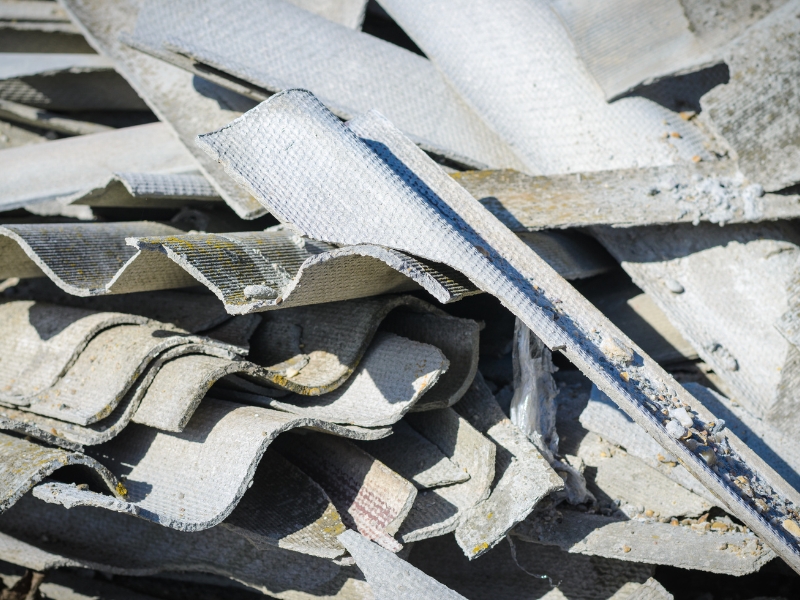
- Before major renovations involving walls, floors, or roofs in pre-1990 homes.
- When buying or selling a property built before 1990, it is necessary to reassure potential buyers.
- After a storm or water damage, broken or soaked materials release fibres more easily.
- Before demolitions or structural changes, ensure all asbestos is safely removed first.
Engaging a licensed removalist early can prevent costly project delays. Proper planning means asbestos won’t interfere with construction timelines or safety inspections. Once removal is done, ensure all waste is delivered to a government-approved facility to complete the process responsibly.
Final thoughts on safely getting rid of asbestos at home
Getting rid of asbestos is never a task to rush or attempt without expert help, as improper handling can endanger everyone around you. It requires patience, planning, and strict adherence to safety standards. By trusting licensed professionals, you protect both your health and your home’s integrity. For more guidance or professional assessment, you can get in touch with Watson Demolition & Site Services to discuss your asbestos concerns safely and responsibly.