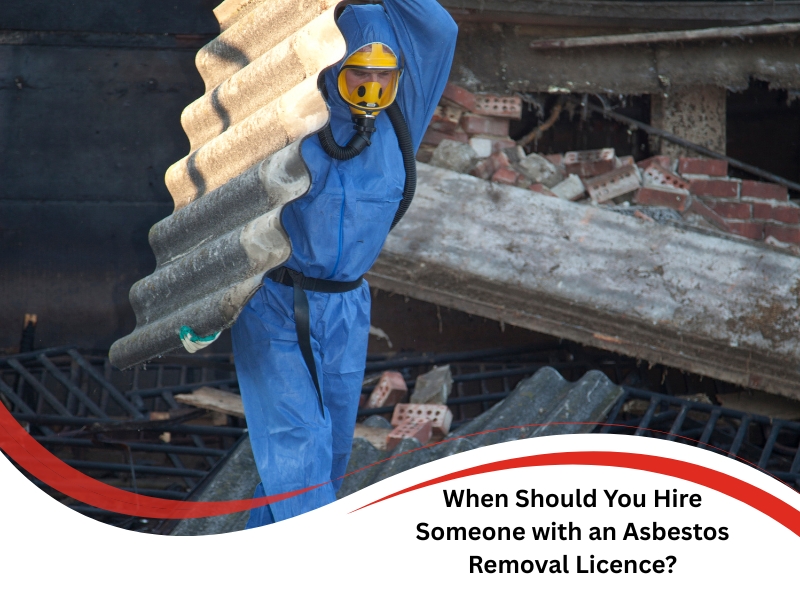
Renovation or demolition calls for a contractor with an asbestos removal licence whenever your scope could disturb suspected or confirmed ACMs, even during “minor” make-goods. That choice tightens safety, speeds approvals, and keeps waste chains above board. Older fibro, roof sheets, pipe lagging, and vinyl tiles can turn a tidy program into a dog’s breakfast once fibres get airborne—costs then balloon with monitoring, rework, and stakeholder angst. Don’t gamble the schedule or people’s health on guesswork; engage licensed expertise before walls open or plants come out. You’ll protect neighbours, crews, and your budget, and you’ll avoid the paperwork tangle that follows non-compliance in NSW. This article shows you how to verify licences, pick the proper scope, and keep demolition or renovation moving without drama.
What does an asbestos removal licence mean for your demolition or renovation project?
A licence confirms that a contractor can legally remove the asbestos types and quantities your project is likely to expose to. It also signals tested methods, competent supervision, and fit-for-purpose PPE and hygiene controls, so your site runs to plan rather than luck. In practice, that translates to lower exposure risk and documented compliance across the job. Here are the licence implications:
- Licence classes: Define who can remove friable vs non-friable ACMs and in what quantities.
- Methodology alignment: Removal control plans match your building fabric and staging.
- Monitoring and clearance: Air testing and independent clearances are baked into the program.
- Waste tracking: Chain of custody proves lawful transport and disposal at licensed facilities.
Engaging reliable asbestos removal licence holders in Newcastle early helps you stage isolations, bookings, and notifications without last-minute scrambles. Done right, your works stay tidy, neighbours stay calm, and you maintain sequence for follow-on trades.
How can you verify a contractor truly holds the correct asbestos removal licence?
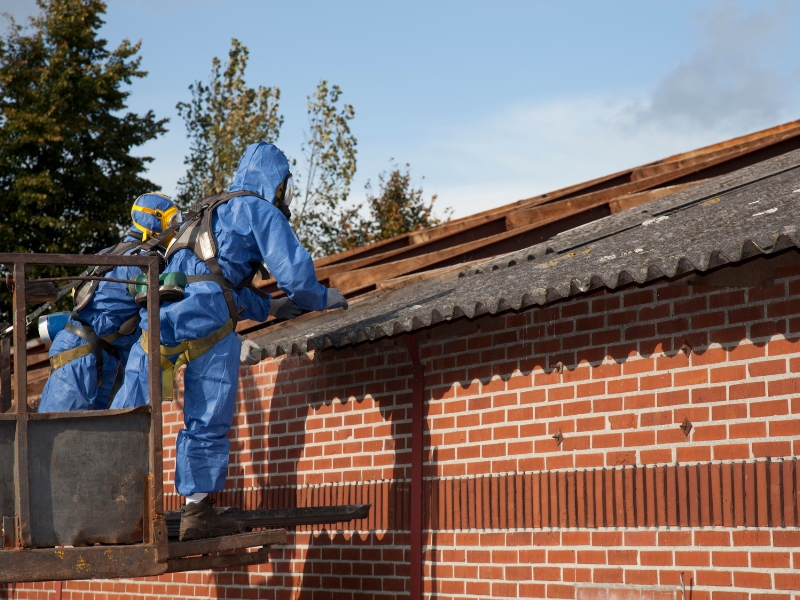
Verification should be straightforward, quick, and auditable. Ask for the licence number, expiry date, and class, then confirm the details against the issuing register. Beyond the card, competence is demonstrated through training records, respirator fit tests, recent monitoring data, and hygienist clearances. Here are the verification checks:
- Licence evidence: Certificate, class (A/B), expiry, and responsible supervisor details.
- Insurance coverage: Current public liability and workers’ comp with relevant limits.
- Competency records: Fit-testing logs, training certificates, and recent toolbox minutes.
- Independent hygiene: Clear separation between the removal crew and the hygienist issuing clearances.
During pre-start, look for clean change protocols, negative-pressure integrity tests, and tidy housekeeping; when scoping the survey, consider identifying the types of materials requiring asbestos inspection, so common culprits like vinyl tiles, backing boards, and mastics aren’t overlooked before demolition begins.
Which types of projects truly require a licensed asbestos removal specialist?
Licence requirements kick in when quantities exceed thresholds, when materials are friable, or when the work is near occupied areas. Plant room strip-outs, façade reclads, boiler removals, and eaves replacements often qualify. Residential extensions can look simple, yet concealed lagging or backing boards can flip the risk profile in a snap. Here are the project scenarios:
- Friable discoveries: Damaged lagging, sprayed insulation, or degraded board behind tiles.
- Large non-friable removal: Roof sheets, external cladding, or full-floor vinyl tile lift-outs.
- Live environments: Hospitals, schools, or offices where occupants remain nearby.
- Complex services: Penetrations and plant decommissioning with hidden ACMs around pipework.
Before commercial strip-outs ramp up, planning teams should assess asbestos before starting commercial demolition to avoid late scope changes. With robust surveys, staging, and bookings for clearances and transport, you enable safer waste transport and avoid clashes with other trades.
Licence scope quick reference:
| Licence class | What it covers | Typical examples | Common controls |
| Class A | Friable and non-friable asbestos | Boiler rooms, sprayed coatings, degraded lagging | Full enclosures, negative pressure, continuous air monitoring |
| Class B | Non-friable asbestos only | Roof sheets, eaves, external cladding, intact boards | Segregation, mini-enclosures, task-based air monitoring |
| Unlicensed (limited) | Very small non-friable below allowed thresholds | Minor patch removal (confirm legality) | Short-duration controls, basic PPE (verify limits) |
A sound removal plan aligns licence class, containment design, and monitoring intensity to your risk level. That planning reduces disruption, keeps the program humming, and protects nearby occupants without over-engineering controls.
What are the risks of hiring an unlicensed asbestos contractor?
The risks stack up fast: uncontrolled breakage, cross-contamination, illegal waste handling, and program delays. Regulators can halt work and levy penalties, while insurers may knock back claims tied to non-compliant removal. Stakeholder trust is hard won and easily lost. Here are the risk realities:
- Poor containment: Leaks from flimsy “enclosures” contaminate adjacent areas.
- Inadequate PPE: Using incorrect filters or failing to fit-test increases worker exposure.
- Dirty waste chain: Missing dockets or unapproved transport attracts fines.
- Rework and delays: Contamination clean-ups blow the schedule and budget.
On live sites, reputational harm lingers long after fibres settle. Avoiding shortcuts keeps neighbours onside and certifiers cooperative. You’ll sidestep severe legal penalties and maintain a clear paper trail for project handover.
How does professional asbestos removal ensure site safety and legal compliance?
Licensed removal is about discipline: survey, plan, contain, protect, and document. Expect evidence-based controls sized to your risk, not a one-size-fits-all template. Independent hygienists verify results, so sign-off holds water with councils and certifiers. Here are the compliance essentials:
- Removal control plan: Scope-specific sequencing, isolation points, and verified equipment.
- Enclosure integrity: Pressure testing, smoke testing, and documented inspections.
- Monitoring strategy: Continuous or task-based air monitoring linked to decision points.
- Waste verification: Dockets, tracking numbers, and licensed-facility receipts.
For stakeholders who want chapter and verse, refer to asbestos safety standards that guide NSW practice. Following trusted guidance yields clean, verifiable results and steadies interactions with auditors. By keeping records crisp and methods tight, you also minimise rework and keep critical path activities on track.
Final thoughts
If asbestos might be present, hire a licensed class, map your scope to a control plan, and line up hygienist clearances before demolition day. Strong planning prevents fibre release, avoids neighbour headaches, and shields your budget from blowouts. For a safer program and smoother compliance, discover how Watson Demolition & Site Services can help make your site safer. Projects move faster when controls are proven, documentation is tight, and everyone on site knows the drill.