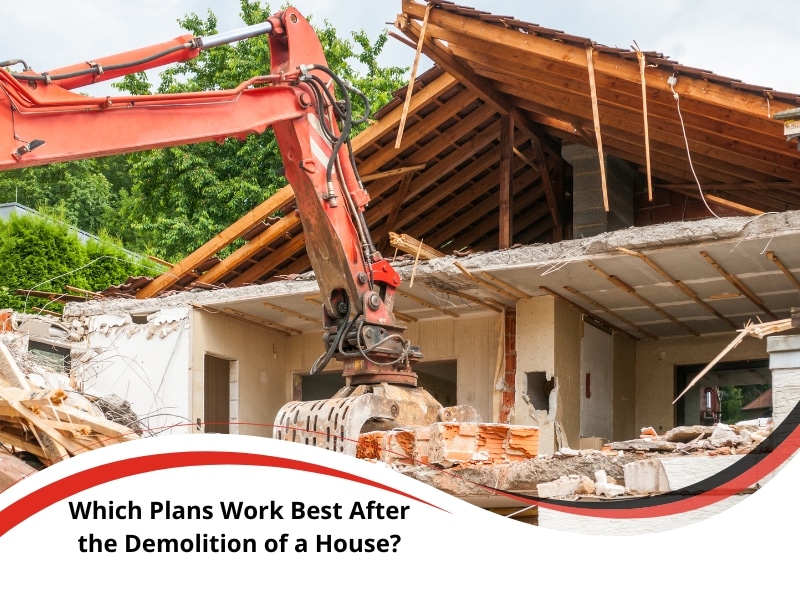
So, you’ve knocked the place down. What next? Whether you’re building from scratch or just clearing space, what comes after the demolition of a house matters just as much as what came before it. Following these steps correctly saves you headaches, delays, and money in the long run. In places like Newcastle, where properties range from tight suburban lots to sprawling rural blocks, no two demolition sites are alike. The land’s slope, local council rules, and even your neighbour’s driveway can shape what happens next. It’s not enough to bulldoze the place and walk away — you’ve got to set yourself up properly for whatever comes after. This blog unpacks what needs to be in place after a house comes down. From sorting permits to planning waste disposal, it’s all about making intelligent, forward-thinking decisions that keep things running smoothly.
What factors influence the demolition of a house in Newcastle?
If you’ve started pricing out demolitions in Newcastle, you’ve probably noticed it’s not a flat rate. Costs vary widely, and for good reason. Every block, building, and suburb brings its own quirks. Here’s what typically pushes prices up or down:
- Block access — If machinery can’t get in easily, you’ll need smaller gear or hand tools
- Construction materials — Brick or reinforced concrete takes longer to bring down
- Asbestos — If it’s there, licensed removal is non-negotiable
- Block gradient — Sloped sites often need earthworks or special access planning
- Disconnection of services — Power, gas, and water must be dealt with properly
- Waste volume and handling — More waste means more disposal costs
- Permit and council fees — These vary depending on your postcode
- Tight timelines — A rushed job usually costs more
And let’s not forget the weather. A wet week can stall your project and blow out the budget. To dive deeper, explore the factors that affect house demolition costs in Newcastle.
How does asbestos removal affect the demolition of a house?
If your place was built before the 1990s, chances are that asbestos is hiding somewhere—likely in the roof sheeting, eaves, walls, or flooring. And once you start pulling a house apart, it can’t be ignored.
Asbestos changes the game. Here’s why:
- Mandatory testing — Even if you’re not sure, a licensed assessor must check
- Only licensed removal teams can do the job legally
- Removal needs planning — It must happen before structural demolition begins
- Extra safety controls — Dust suppression, secure containment, and protective gear are essential
- Neighbours might need to be notified if your block is tight
- Transport and disposal — It has to go to approved facilities, and that adds time and cost
- EPA paperwork — Proper documentation is needed for compliance
You’ll want asbestos handled early. It’s not something you deal with mid-swing. For more insight, consider asbestos removal for safer demolitions. By addressing it at the start, you protect workers, reduce unexpected delays, and ensure the demolition process stays compliant and efficient.
Why is site preparation important before the demolition of a house?
Preparation isn’t just the first step—it’s the one that makes or breaks everything else. Without it, you risk injury, legal trouble, or blowing your schedule out the window. Here’s what smart prep includes:
- Disconnecting utilities — Power, gas, water, NBN—all must be isolated
- Boundary checks — Know where your land ends to avoid neighbour disputes
- Planning for access — Make sure machines can move safely and won’t wreck driveways
- Soil checks — Older sites may need contamination testing
- Tree removal or protection — Some trees need permits to trim or chop
- Asbestos assessments — Required before most councils will issue demolition approval
- Safety fencing and signage — Keeps the public out and ticks the legal boxes
- Machinery staging — Plan where trucks and excavators will be parked and loaded
Doing this upfront avoids costly oversights that can stall your entire project. It’s worth the effort, especially if you’re working on a tight street or in a high-density area.
What permits and approvals are required for house demolition projects?
No matter how ready you feel, you can’t start knocking walls down without a proper sign-off. Demolition in NSW is tightly regulated—and for good reason. Here’s what you’ll likely need:
- DA (Development Application) or CDC (Complying Development Certificate) — Depending on the zone and job type
- Asbestos notification — Required even before removal starts
- Neighbour notification — In tight suburbs, it’s a legal must
- Traffic management plans — If machinery will impact roads or footpaths
- Tree removal permits — Some species are protected
- Heritage checks — Older properties might be listed or flagged
- Utility disconnection approvals — Confirmed by providers before clearance
- Waste handling compliance — EPA tracking for hazardous materials
This process can take weeks, depending on your council and whether your property sits in a heritage or bushfire-prone zone. For a smoother run, work with contractors familiar with the process who can provide an efficient method for demolishing a house in Newcastle.
How is waste managed and recycled during the demolition of a house?
Gone are the days when demolition meant sending everything straight to the tip. These days, recycling isn’t just a nice gesture—it’s built into the job. Regulations in NSW are strict, and rightly so. Most of what gets knocked down can be reused, repurposed, or safely disposed of with minimal environmental impact.
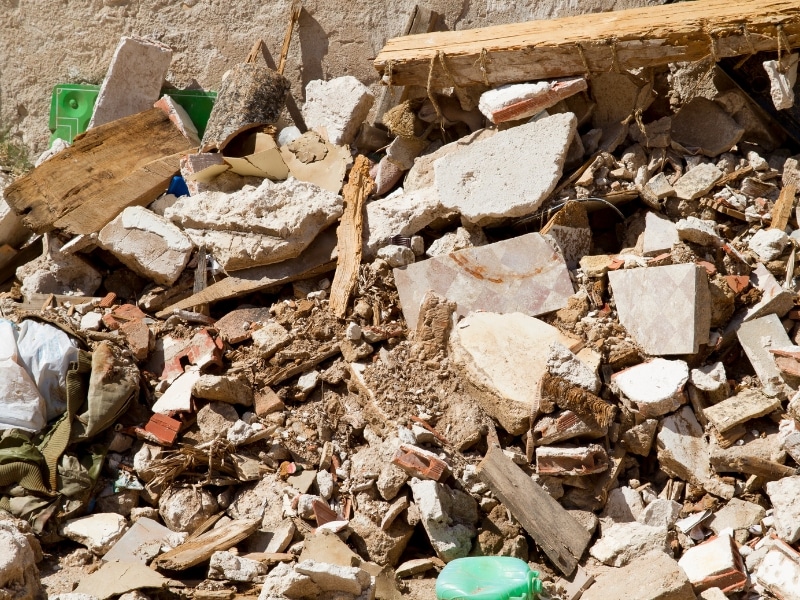
- Concrete and bricks are usually broken down on-site and used for road base or drainage fill.
- Timber framing and flooring are often salvaged or mulched for landscaping projects
- Steel, copper and other metals are set aside for scrapping and resale
- Asbestos and other hazardous materials are sealed up and taken to licensed facilities
- Topsoil and greenery may be retained and reused, depending on the next stage of land use
- Glass, tiles and gyprock are sorted manually for selective recycling or safe tipping
- Paperwork and tracking logs are kept to meet EPA reporting standards
You’d be surprised how much of an old house can be put to use again. From brick chimneys to hardwood beams—what was once waste can quickly become a resource. Learn more from the official guidelines on construction and demolition waste management in NSW.
Here’s a quick look at typical material handling:
| Material Type | Common Outcome |
| Bricks/Concrete | Crushed for road base |
| Timber | Recycled or mulched |
| Metals | Sent to metal recyclers |
| Asbestos | Secure, licensed disposal |
| Soil/Green Waste | Retained or mulched |
Which safety practices should guide a residential demolition project?
Safety isn’t just for the big jobs. Whether you’re knocking down a backyard bungalow or a double-storey house, there’s a long list of must-dos to keep people safe. Here’s what a safe site looks like:
- Fencing around the perimeter to keep out wanderers and stickybeaks
- PPE for all crew—hard hats, hi-vis, gloves, boots, and respiratory gear
- Daily checks on all equipment to catch wear or damage early
- Dust suppression using water hoses or misting systems
- Noise control measures like scheduled work hours and barriers
- Warning signage at entry points and on machinery
- Clear exclusion zones—no one unauthorised near heavy gear
Slip up on any of this, and things can turn ugly fast. Accidents, neighbour complaints, or stop-work orders are all on the cards if you cut corners. These avoidable errors can unravel your entire timeline.
Final thoughts
Tearing down a house might feel like the end of something—but it’s really the start of a bigger plan. Whether you’re clearing space for a new home or levelling a site for landscaping, what you do after the demo counts. The key? Think ahead. Factor in costs, council rules, recycling, and safety before you swing the first hammer. If you’re unsure where to start or just want the job done right, ask Watson Demolition & Site Services about your next project. A clean slate is one thing. A smart one is better.